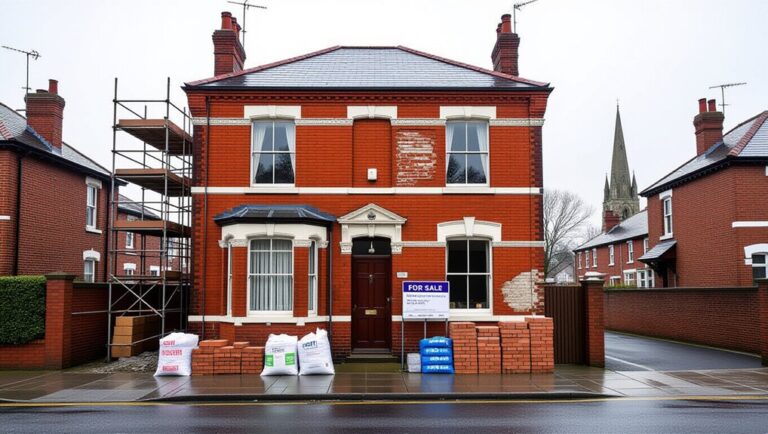

You’ll get the best high-demand, low-price buys in Scottish towns with fast transport links and tight supply, where homes often shift in 30–45 days. Start with Paisley and Dunfermline for commuter access and strong rental pull, then compare Inverness and Stirling for limited stock and resale liquidity. For cheaper Glasgow-side options, check Clydebank and Motherwell; near Edinburgh, target Musselburgh or Dalkeith for better £/sq ft. Next, you’ll see how to test yields and costs.
Key Takeaways
- Paisley offers low entry prices, excellent Glasgow rail links, and reliable rental demand from students, NHS staff, and commuters.
- Dunfermline provides family-home value below Edinburgh fringe pricing, with strong commuter demand via M90 and direct rail connections.
- Inverness benefits from limited housing supply and steady relocator demand, keeping liquidity high while prices remain lower than similar Highland hubs.
- Stirling’s central flats are affordable and highly marketable, supported by walkable amenities, historic appeal, and consistent buyer and tenant demand.
- Prioritise towns where homes sell in 30–45 days, price cuts are rare, and yields cover fees, maintenance, and higher mortgage rates.
Top Scottish Towns: High Demand, Low Prices

While Scotland’s hotspots often come with inflated price tags, you can still find towns where buyer demand is strong and average sale prices stay comparatively low. You’ll see this value in Paisley, where solid transport links to Glasgow keep listings moving, yet entry prices undercut nearby postcodes. In Dunfermline, you can target commuter-driven demand near the M90 and rail, with family stock pricing below Edinburgh’s fringe. Inverness offers tight supply and year-round interest from relocators; you’ll often pay less per square foot than other Highland hubs. Stirling can work if you buy smaller flats close to the centre, leveraging Historical architecture and walkable local amenities to protect resale liquidity.
How to Judge Demand, Price, and Growth
Finding a “high-demand, low-price” town is only half the job—you also need a repeatable way to test whether demand will hold, prices still leave headroom, and growth looks realistic. Start with demand signals you can verify: days on market, sale-to-home-report ratio, and listing churn (new listings vs. sales). If homes sell within 30–45 days and reductions stay low, demand’s real.
Next, pressure-test price. Compare median sale price to local earnings and rent; you want a yield that still works after fees, voids, and higher rates. Check Market stability via volatility: look for steady transaction volumes and fewer boom-bust swings.
Finally, judge growth with pipelines: planned employers, infrastructure, and school rolls. Your Investment timing improves when supply stays tight and wages trend up.
Low-Price Commuter Towns Near Glasgow
If you’re chasing Glasgow access without Glasgow pricing, you’ll want commuter towns where average sold prices sit below the city while transport links keep demand liquid. Start with affordable rail-linked hubs where frequent services tighten travel times and support resale and rental occupancy. Then compare budget-friendly motorway towns where junction proximity cuts commute friction and the price-per-square-foot often undercuts rail hotspots.
Affordable Rail-Linked Towns
Three rail-linked commuter towns around Glasgow consistently stand out for buyers who want lower entry prices without giving up access to the city’s job market. Look first at Paisley: frequent trains and a strong rental pool from students and hospital staff, while historical architecture supports resale appeal. Consider Clydebank for value-led flats near multiple stations, where steady tenant demand tracks service frequency and short journey times. Target Motherwell if you want larger stock and dependable commuter footfall; it also benefits from events and cultural festivals that keep the town centre active. In all three, you’ll typically pay less than comparable Glasgow neighbourhoods, but you should still budget for energy-efficiency upgrades and check recent sold prices street-by-street to avoid overpaying today.
Budget-Friendly Motorway Commuter Spots
Rail links keep commuting predictable, but Glasgow-area buyers can often cut the purchase price further by following the M8, M73, and M74 corridors where driving times stay competitive and stock skews cheaper. Target towns like Airdrie, Coatbridge, Bellshill, and Cambuslang, where typical flats undercut West End pricing by a wide margin and resale demand stays steady with employer access in Glasgow and the central belt. You’ll find Historic architecture in older tenements and sandstone terraces, but you’re paying for square footage, not prestige postcodes. Screen for council tax bands, EPC ratings, and parking, because motorway living can shift running costs. Prioritise local amenities—supermarkets, schools, GP access—since these sustain rents and shorten void periods for landlords.
High-Demand, Better-Value Towns Near Edinburgh
If you want Edinburgh-area demand without paying peak city prices, you’ll target commuter hotspots where buyer competition stays high but £/sq ft drops across the boundary. You can still find affordable towns with strong demand—tight time-on-market, resilient rents, and solid transport links—so your budget buys more without sacrificing liquidity. Next, you’ll compare the best-value picks near Edinburgh by pricing, commute times, and recent sales momentum.
Commuter Hotspots With Value
While Edinburgh’s price growth keeps pushing budgets outward, you can still target commuter towns that deliver strong demand without city-centre costs. Look at Linlithgow, South Queensferry, Musselburgh, and Dalkeith: you’ll typically pay less per square foot than in EH postcodes, yet you’ll tap tight rental markets driven by rail links, schools, and employer access. Track days-on-market and closing-over-Home-Report rates; in these nodes, well-presented homes still move quickly. Prioritise period flats with historical architecture near stations, because walkability protects resale. Stress-test yields against service charges and factoring fees, then negotiate hard on outdated kitchens where vendors fear rising mortgage rates. You’ll also win tenants by pricing in local amenities—supermarkets, gyms, waterfronts, and parks.
Affordable Towns With Demand
Because Edinburgh’s core postcodes keep repricing upward, you’ll often get better value—and still capture strong buyer and tenant demand—in nearby towns such as Livingston, Bathgate, Dunfermline, Kirkcaldy, and Prestonpans, where typical £/sq ft and entry prices undercut the capital but transaction volumes stay resilient thanks to major employers, retail hubs, and fast commuter access. Focus on 2–3 bed flats and compact family homes near stations: they price keener than Edinburgh equivalents yet rent quickly to commuters. Track sold-price momentum and days-on-market; when listings clear in under a month, you can bid confidently but cap offers to protect yield. Dunfermline’s regeneration and Livingston’s business parks keep enquiry steady, while Kirkcaldy’s Historical architecture and Local cultural festivals boost weekend footfall and short-let appeal.
Rail-Linked Scottish Towns Buyers Compete For
As commuter demand keeps rising, rail-linked Scottish towns with direct services into Glasgow, Edinburgh, and beyond have become some of the tightest property markets, where buyers move fast and sellers price in convenience. You’ll see it in closing times, bids over Home Report, and shrinking days-on-market near stations. Focus on towns like Linlithgow, Falkirk, and Livingston: they blend Historic architecture with expanding local amenities, while keeping purchase prices below core-city equivalents. If you want value, target streets within a 10–15 minute walk of the platform, but avoid paying a premium for cosmetic upgrades you can add later. Watch listing volume and price-per-square-foot, then move quickly with a mortgage in principle, tight offer conditions, and flexible entry dates today.
Affordable Scottish Coastal Towns With Demand

Rail access drives fast sales inland, but you can still find sharper £/sq ft value on the coast where year-round demand keeps the market liquid without Edinburgh or Glasgow pricing. Target Ayr, Troon, and Dunbar for commuting optionality, tight resale pools, and walkable beaches that anchor a Coastal lifestyle. In Aberdeenshire, Stonehaven and Montrose stay price-sensitive yet attract steady buyer interest from energy and remote-work demand, limiting downside risk. You’ll typically see smaller spreads between asking and achieved prices in these towns than in purely seasonal hotspots, so budget for less discounting and move quickly on turnkey stock. Prioritise conservation-area streets and refurbished sandstone flats; Heritage preservation supports rental premiums and protects long-term value. Check EPC ratings and factoring fees before offering.
Best-Value Scottish Towns for Families
While city postcodes still command a premium, you’ll often get better family value in satellite towns where three-bedroom stock trades at a lower £/sq ft but demand stays resilient thanks to school catchments, supermarkets, parks, and quick A-road or rail links. Target places such as Dunfermline (M90 access), Livingston (M8 rail), and Inverurie (Aberdeen commute), where typical family semis price below equivalent city stock yet sell-through remains steady. You’ll stretch your budget further by prioritising 1990s–2000s estates with good EPCs, off-street parking, and walkable primaries—features that protect liquidity when rates bite. Screen for Affordable property near town centres, then compare sold prices per sq ft across streets to spot mispricing. Focus on Family friendly neighborhoods with low turnover and consistent asking-price reductions.
Scottish Towns With Strong Rental Demand
Because rental yields hinge on occupancy as much as headline rent, you’ll want Scottish towns where tenant demand stays broad and year-round—think university spillover, large NHS/employer hubs, or energy and logistics corridors that keep voids low even when rents rise. Target Paisley and Stirling for Glasgow/Edinburgh commuter pull plus student demand; both keep entry prices below core-city levels while sustaining fast re-lets. In Fife, Dunfermline benefits from M90 access and employer density, so two-beds tend to rent quickly when priced competitively. Aberdeen’s satellite towns can work if you buy at discounted valuations and focus on modern stock near transport links. Tenants also pay for walkability: Historical landmarks boost tourism jobs, while Local amenities like supermarkets, gyms, and bus routes widen your applicant pool.
Hidden Ownership Costs That Change the Maths

Strong tenant demand keeps voids low, but your real return still gets set by the costs you don’t see on the listing. Budget for 10–15% of gross rent for management and compliance, plus letting fees if you self-manage. Factor landlord insurance, EPC upgrades, gas and EICR checks, and deposit protection. In older Scottish stock, allow £1,000–£3,000 a year for repairs, and higher if roofs, stonework, or damp show up. Service charges and sinking funds can add £60–£200+ monthly in flats. Council tax gaps during changeovers, interest-rate resets, and landlord licensing fees eat yield fast. These Hidden costs create ownership surprises that turn a 7% headline yield into 5% or less. Run worst-case scenarios before you bid.
Frequently Asked Questions
Can Non-Uk Residents Buy Property in Scotland Without Restrictions?
Yes—you can buy Scottish property as a non-UK resident; you’ll face no blanket property restrictions. Foreign investment stays active, but you’ll pay higher cash or deposit costs, plus legal fees and potential tax surcharges.
What Is the Typical Timeline to Complete a Scottish Property Purchase?
Time flies: you’ll typically complete in 6–10 weeks in Scotland. You’ll book a Property valuation within 1–2 weeks, secure Mortgage approval in 2–4, then conclude missives and settle fast—avoiding costly delays.
How Does the Scottish “Offers Over” System Affect Final Sale Prices?
You’ll often pay above the “offers over” figure because it signals a minimum and fuels market competitiveness. You benchmark bids against the home report property valuation, local closing-date premiums, and recent comparables to stay price-sensitive.
What Legal Checks Should a Solicitor Perform Before Missives Are Concluded?
Before you conclude missives, you’ll have your solicitor run Title deed verification, check burdens/servitudes, planning/building warrants, searches, and lender conditions. They’ll review Property valuation, survey flags, and quantify repair risks to protect price.
Are Home Reports Always Required, and Who Pays for Them?
Home report requirements usually apply to most Scottish residential sales, but exemptions exist (new builds, some repossessions). You, as seller, typically pay upfront; you, as buyer, face Buyer’s financial obligations for surveys/mortgages.
Conclusion
You’ve seen how Scotland’s best-value towns combine tight supply with steady buyer and tenant pressure. One standout stat: Rightmove reports average UK asking prices jump +0.9% in a single month (Apr 2024)—momentum like that rewards you for buying where demand is already proven but prices haven’t caught up. Focus on rail links, commuting times, school catchments, and rental yields, then re-check total ownership costs so your “cheap” deal stays cheap.
About the Author