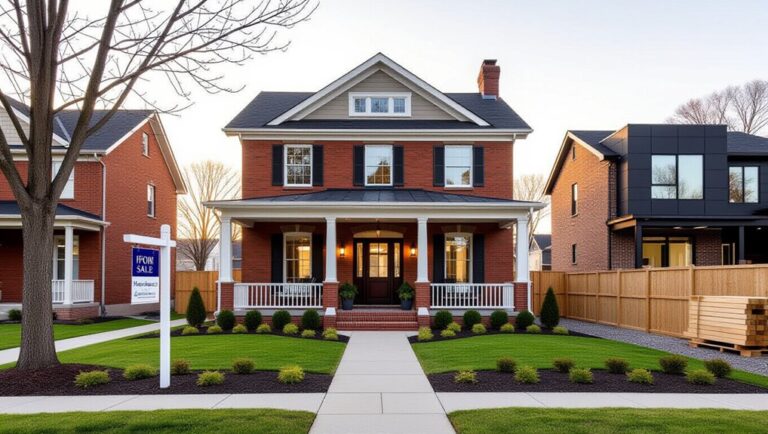

To win a fixer-upper in a competitive market, you’ve got to buy in a high-demand neighborhood with strong comps and fast days on market, then target solid bones—straight foundation, dry basement, and serviceable roof—while avoiding moisture, structural shifts, and underpowered electrical. Build a line-item budget with contractor bids, permits, and a 10–20% cushion, and choose financing that covers purchase plus rehab via draws. Make a clean, numbers-backed offer, then renovate systems, kitchens, and baths for resale. Keep going to see how to run the numbers and negotiate hard.
Key Takeaways
- Target neighborhoods with strong comps, fast sales, and buyer demand; choose homes with solid bones and avoid major moisture or structural issues.
- Build a line-item rehab budget from contractor bids, include permits and code upgrades, and add a 10–20% contingency for surprises.
- Pick financing that covers purchase plus renovations, and confirm draw schedules, holdbacks, fees, and timelines before making offers.
- Make competitive offers using conservative repair numbers and condition-adjusted comps, with strong earnest money, tight timelines, and inspection plans.
- Renovate for resale by fixing systems first, upgrading kitchens and baths, improving efficiency, and matching finishes to neighborhood price ceilings.
Spot a Fixer-Upper Worth Buying (Not a Money Pit)
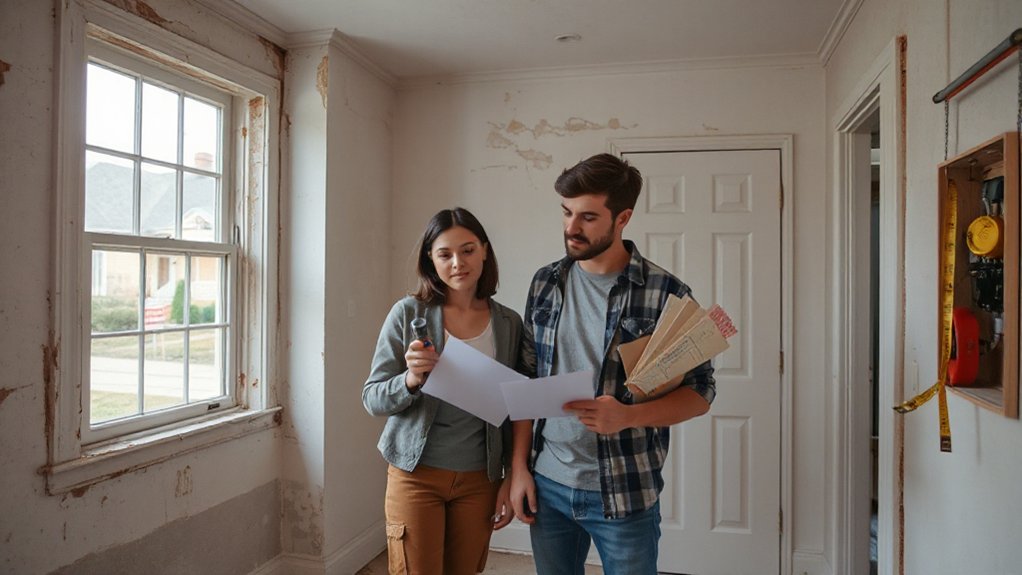
While a fixer-upper can look like a bargain on paper, the real win is finding a property where the repairs add value instead of swallowing your budget. Start by targeting the right neighborhood: strong comps, low days on market, and buyer demand that supports an exit. You’re not buying problems; you’re buying upside.
Walk the property like an investor. Prioritize solid bones: straight foundation lines, a roof with life left, dry basements, and consistent floor slopes. Verify layout potential—light, flow, and bedrooms that match the market. Watch for deal-killers like chronic moisture, structural movement, or outdated electrical capacity. If it has Historical significance, confirm restrictions won’t block resale upgrades. Favor an Architectural style buyers pay for, because curb appeal converts offers faster.
Build a Fixer-Upper Budget (Repairs, Permits, Cushion)
Before you swing a hammer, you need a budget that tells the truth—because the purchase price is only the entry fee. Start with a line-item repair scope: roof, systems, structure, kitchens, baths, paint, floors, and cleanup. Price it with contractor bids, not guesses, and align each phase to your Renovation timeline so holding costs don’t quietly eat your margin.
Next, budget permits, inspections, and code upgrades; many “simple” jobs trigger electrical, plumbing, or energy requirements. Use Neighborhood analysis to calibrate finishes to resale ceilings—don’t overbuild for the block. Finally, add a cushion: 10–20% for surprises, plus a separate buffer for delays, material spikes, and temporary living needs. If the numbers don’t pencil, renegotiate or walk.
Pick Fixer-Upper Financing That Funds Renovations
Because most sellers won’t wait for you to scrape together rehab cash after closing, you need financing that buys the house *and* releases funds for renovations on a predictable schedule. Start by matching your project scope to the right loan options: light cosmetic work may fit a conventional rehab product, while bigger systems and layout changes often require renovation loans designed for draws and inspections. You’ll submit contractor bids, a work plan, and a contingency so the lender can underwrite the “after-repair” value, not just today’s condition. Ask how quickly draws fund, what triggers holdbacks, and whether you can self-manage or must use a GC. Lock timelines, fees, and reserve rules early so your closing stays clean and your rehab starts immediately.
Make a Competitive Fixer-Upper Offer Without Overpaying

If you want a fixer-upper without giving away your margin, build your offer around verified numbers and clean terms, not wishful comps. Pull tight comps for condition, then back into price using your contractor’s scope and a conservative repair budget. Keep your earnest money strong, but cap risk with an inspection contingency and a clear close timeline.
Schedule a pre-offer Property inspection when possible, or shorten the window and pre-book trades to move fast. Use Negotiation tactics that trade certainty for price: flexible possession, minimal seller touchpoints, and proof of funds. Ask for credits only when findings are material and documented, and anchor them to line-item estimates. If you’re in a multiple-offer situation, win with clean paperwork, not inflated numbers you can’t defend later.
Renovations That Boost Fixer-Upper Resale Value Most
A sharp offer protects your margin on the way in; the right renovation plan protects it on the way out. Start with safety and systems: roof, plumbing, electrical, and HVAC sell confidence and cut inspection renegotiations. Next, target high-ROI spaces buyers price first—kitchen refreshes, updated baths, and smart layout tweaks that add usable square footage without costly additions. Prioritize Energy efficiency upgrades (insulation, air sealing, efficient windows, heat-pump water heaters) because they photograph well, appraise cleanly, and reduce buyer objections. If the home has character, lean into Historic preservation: restore original trim, refinish floors, repair windows where possible, and match period-appropriate fixtures. Keep finishes mid-market, durable, and consistent so your comps justify the list price and your timeline stays tight.
Frequently Asked Questions
How Long Should I Plan to Live in a Fixer-Upper Before Selling?
Plan to live in it 2–5 years, depending on your renovation timeline and local comps. You’ll sell faster and stronger if you finish core upgrades, then pick resale timing around peak demand, rates.
Should I Buy a Fixer-Upper if I Work Full-Time With Limited Availability?
Yes, you can, but you’ll need smart scheduling, solid support. If you’ve got remote work flexibility and a contractor-led renovation timeline, you’ll protect your time, control costs, and still close competitively.
What Insurance Coverage Do I Need During Renovations and Vacancy Periods?
You’ll need builder’s risk or vacant-home Insurance requirements, plus Renovation coverage for materials, theft, and liability. Keep dwelling and fire in force, add contractor endorsements, require insured subs, and adjust limits as occupancy changes.
How Do I Handle Neighbors, HOA Rules, or Noise Restrictions During Renovations?
Picture sawdust drifting at sunrise—you’ll stay deal-smooth by building Neighborhood relations early, sharing schedules, and setting quiet hours. You’ll review HOA bylaws, pull Renovation permits, post notices, and keep crews compliant. Document everything.
What Are Common Tax Implications or Deductions for Fixer-Upper Renovations?
You’ll usually capitalize most renovation costs into your property’s basis, limiting immediate Tax deductions. You can deduct repairs on rentals, and pursue energy-efficient renovation credits. Track receipts, permits, and timelines to optimize resale taxes.
Conclusion
When you buy a fixer-upper in a hot market, you’re not just chasing charm—you’re underwriting risk for profit. You spot the right “bones,” lock a renovation-ready loan, and keep a permit-and-contingency cushion so surprises don’t kill your margins. Envision this: remodeling projects average 20+ unexpected issues**** per home, like hidden leaks and outdated wiring. You stay deal-tight by bidding smart, not emotional, and prioritizing upgrades buyers pay for at resale.
About the Author