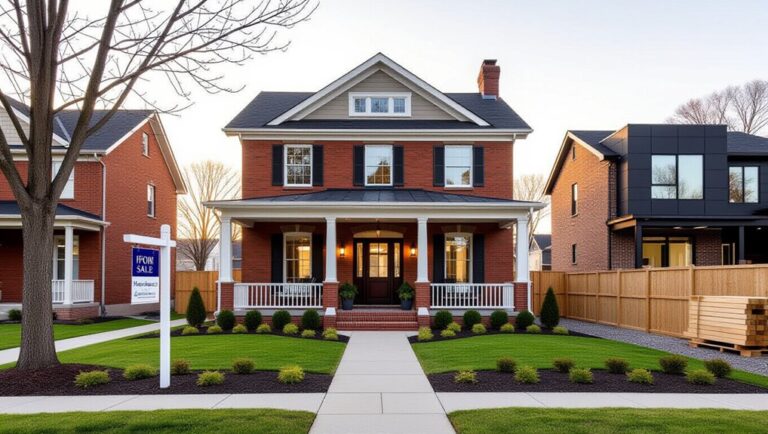

Pick a 7–14, 30, or 60-day timeline, then price from fresh 30–90 day comps to look like the best value in week one. Hire an agent who proves fast sales and runs pro photos, MLS-first syndication, and tight feedback loops. Fix only visible flaws, declutter hard, deep clean, and boost curb appeal in a weekend. Keep showings easy with wide windows and a “ready in 15” routine, then negotiate credits and short contingencies for a fast close. Keep going to see the exact checklist and timing.
Key Takeaways
- Set a 7–30 day sale timeline and price slightly below recent comps to attract strong early buyer attention.
- Hire an agent with fast-sale experience, strong marketing, and daily feedback loops to adjust quickly.
- Boost curb appeal with cleaning, mulch, lighting, and minor repairs that eliminate obvious buyer objections.
- Declutter, deep clean, and lightly stage using existing furniture to maximize space, light, and flow without upgrades.
- Enable easy showings, use professional photos, and negotiate fast with credits, short contingencies, and prompt responses to keep momentum.
Choose Your Fastest Sale Timeline (and Trade-Offs)
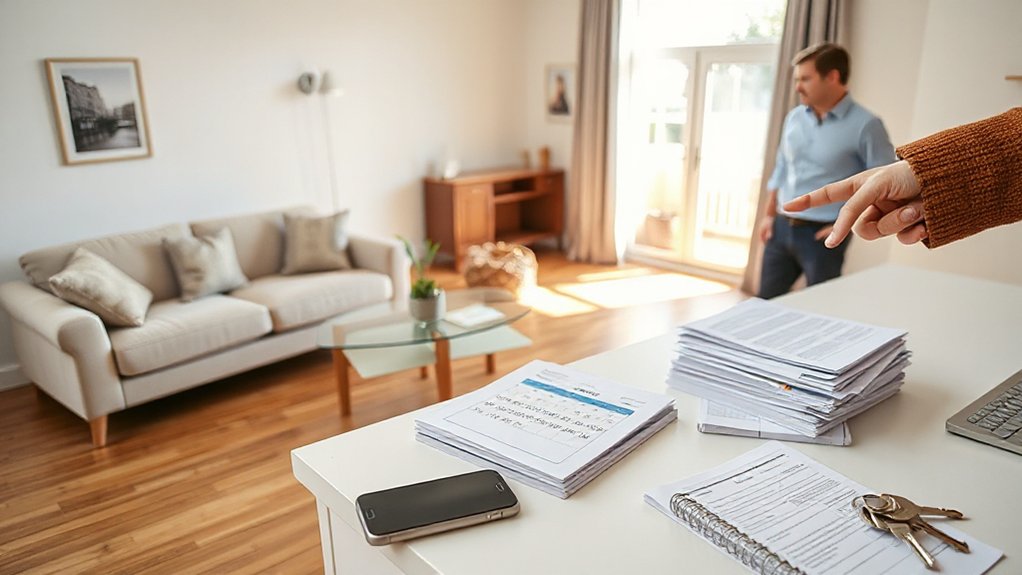
If you want to sell fast without sinking money into major upgrades, you need to pick a clear timeline first—because speed always comes with trade-offs. Decide whether you’re aiming for a 7–14 day blitz, a 30-day target, or a 60-day “best price” window, then align every move to that goal. With a blitz, you’ll lean on aggressive pricing strategies to spark urgency and accept tighter negotiation room. With 30 days, you can balance exposure and flexibility while still pushing buyers to act. With 60 days, you can test the market, adjust, and protect your bottom line. Market timing matters: list when buyer demand peaks in your area, or price sharper if seasonality works against you.
Hire an Agent Who Sells Homes Fast
Because speed comes from execution, not hope, you’ll sell faster by hiring an agent who consistently moves listings quickly in your exact neighborhood and price range. Ask for proof: average days on market, list-to-sale ratio, and a handful of recent “similar” closings they personally handled. Choose someone who runs a tight pre-list checklist, coordinates vendors, and removes bottlenecks before they appear. Your agent should guide Home staging decisions that photograph well, then push a marketing plan built for immediate showings—pro photos, sharp listing copy, broad syndication, and rapid follow-up. You also want confident Pricing strategies that create urgency, backed by clear messaging and timing. When your agent communicates daily, tracks feedback, and adjusts fast, you keep momentum and avoid costly stagnation.
Set a Fast-Sale Price Using Local Comps
When you price with the freshest local comps instead of wishful thinking, you create the urgency that drives showings and clean offers fast. Pull sales from the last 30–90 days in your neighborhood, then filter by similar size, lot, condition, and key features. Don’t stop at closed deals—study active and pending listings to see where buyers are moving right now. Use a local market analysis to adjust for time on market, price reductions, and seasonal demand shifts. Then choose a pricing strategy that positions you as the best value in the first week, when attention peaks. If comps support it, price slightly below the nearest competitor to spark multiple offers and protect your net. Recheck comps weekly until you’re under contract.
Fix the Few Things Buyers Notice First
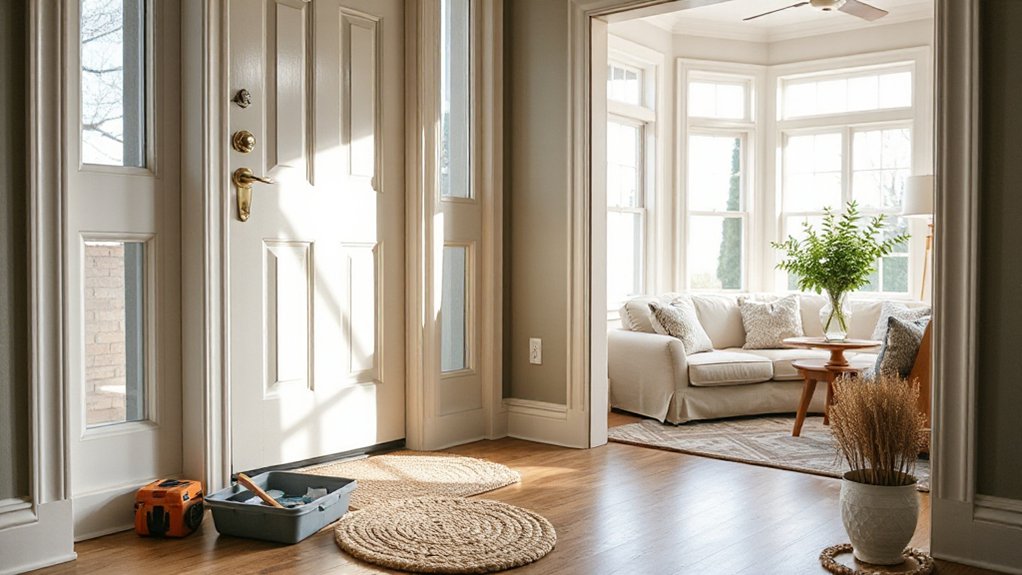
Once you’ve priced it right, you’ll win more buyers by fixing what they notice in the first 10 seconds. Boost curb appeal fast with simple, high-impact tweaks, then tackle high-visibility issues like peeling paint, sticky doors, and broken fixtures. These quick fixes signal “well cared for,” reduce objections, and help you sell faster without major upgrades.
Boost Curb Appeal Fast
Although you don’t need a full exterior makeover to sell fast, you do need to win the “drive-by” decision—so focus on the handful of curb-appeal details buyers notice in the first 10 seconds. Start with a crisp, clean entry: sweep the walk, pressure-rinse the steps, and clear clutter from the porch. Tighten your garden landscaping by edging beds, pulling weeds, and adding fresh mulch for instant contrast. Then make the front door feel inviting with a new mat and simple, seasonal planters. Finally, upgrade outdoor lighting with bright, warm bulbs and a tidy fixture so evening showings feel safe and polished. These quick, affordable moves photograph well, signal pride of ownership, and help buyers emotionally “say yes” before they even step inside.
Repair High-Visibility Issues
Strong curb appeal gets buyers to the door; visible flaws can still stop them from writing an offer. Your goal isn’t a full remodel—it’s removing the “uh-oh” moments that trigger lowball bids or hesitation. Walk the property like a first-time buyer: note peeling trim, scuffed baseboards, stained caulk, loose hardware, and flickering lights. Handle paint touch ups where eyes land first—front door, entry walls, and high-traffic corners—so the home photographs clean and shows confidently. Fix sticking doors, dripping faucets, and cracked outlet covers; these signal neglected maintenance. Outside, prioritize simple landscaping upgrades: edge beds, refresh mulch, replace dead plants, and clear gutters. Small, visible repairs protect your price and shorten days on market.
Boost Curb Appeal in One Weekend
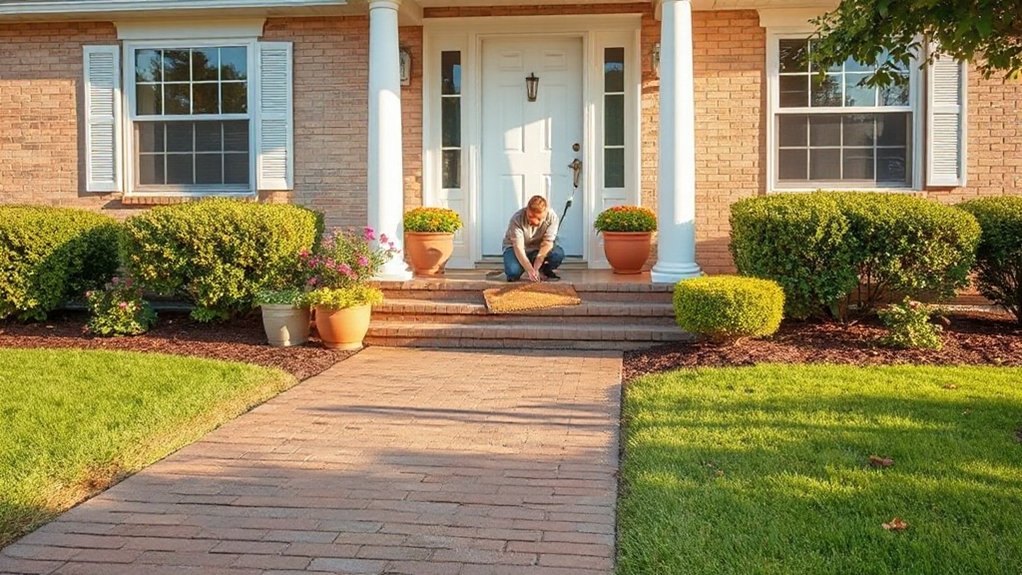
Because buyers decide how they feel about a home before they ever step inside, your exterior needs to signal “well cared for” from the curb—and you can pull that off in a single weekend without expensive upgrades. Start Friday by power-washing the walkway, siding, and driveway, then touch up the front door and trim with a modern, neutral paint. Saturday morning, tackle simple landscaping ideas: edge the lawn, refresh mulch, trim shrubs, and add two matching planters by the entry for symmetry. Replace worn house numbers and a tired mailbox for an instant upgrade buyers notice in photos. Before Sunday’s done, install warm exterior lighting at the porch and along the path; it boosts safety and creates a welcoming glow for evening showings.
Declutter to Make Rooms Look Bigger
Before you spend a dollar on cosmetic fixes, clear the visual noise that makes rooms feel smaller than they are. Buyers don’t measure square footage with a tape—they feel it with their eyes, and clutter steals that feeling fast.
Start by removing anything that doesn’t support the room’s purpose: extra chairs, stacked mail, countertop gadgets, and overflowing shelves. Pack up half your decor and most personal photos so shoppers can picture their life here. Use smart storage solutions—baskets, under-bed bins, matching hangers, and labeled totes—to keep daily essentials out of sight. Then refine your furniture arrangement: pull pieces slightly off walls to create cleaner walkways, expose more floor, and highlight focal points like windows and fireplaces. The payoff is instant: brighter rooms, smoother flow, and stronger offers.
Deep-Clean Like the Showing Is Today
Even if you’re skipping major upgrades, nothing boosts buyer confidence faster than a true deep clean that makes the home feel cared for and move-in ready. Treat every day like a buyer could tour in an hour. Start with high-impact zones: kitchen grease, bathroom grout, baseboards, vents, windows, and light switches. Remove odors at the source—trash cans, drains, pet areas—and swap in fresh filters.
Deep cleaning also photographs better, which helps you win clicks and showings. If time’s tight, hire pros for a one-time reset, then maintain it with quick daily touch-ups. Finish by brightening: replace burnt bulbs, wipe fixtures, and polish mirrors so spaces sparkle. A spotless home supports professional staging later and signals you’ve maintained the property well.
Stage With What You Already Own
Instead of buying new furniture or décor, you can stage faster (and smarter) by using what you already own to help buyers picture their life in the space. Start with Furniture arrangement: float the sofa to open walkways, angle chairs to create conversation zones, and pull pieces away from walls to add depth. Keep only the items that support how the room sells—dining seating in the dining area, a desk in the office, fresh towels in the bath. Edit Personal belongings aggressively: box up most photos, collections, and kid clutter so the home feels calm and broadly appealing. Use your best neutral linens, a simple mirror, and a few plants to brighten corners. You’ll look move-in ready without spending.
Use Listing Photos That Win Clicks
Once your rooms look clean, open, and lightly styled with what you already own, make sure your listing photos capture that same “move-in ready” feeling—because photos are what get buyers to click in the first place. Prioritize bright, true-to-life Listing photography: shoot in daylight, turn on lights, and keep window blinds consistent. Use a wide lens carefully so spaces feel spacious, not distorted. Photograph the home’s strongest value cues first—kitchen, primary living area, best bath, and any standout feature like a patio or view. Remove counter clutter, cords, and trash cans before every frame. Include 20–35 purposeful images, plus a simple floor plan if available. Tight, professional composition increases click engagement, which drives showings without changing a single fixture.
Launch Your Listing: MLS, Portals, Social
How you launch your listing matters as much as what you’re selling, because the first 48 hours set the tone for pricing, momentum, and offers. Go live on the MLS first so every agent feed, brokerage site, and major portal syncs fast and accurately. Your Pricing strategy should be locked before publish—no “test the market” wobble that signals weakness. Use Market timing to your advantage: list midweek to build interest for weekend traffic, or align with a local demand spike. Then amplify: post a short reel, a carousel of best shots, and a neighborhood-value caption that answers “why here, why now.” Ask your agent to run targeted ads and email blasts to buyer pools. Track saves, shares, and showing requests to adjust quickly.
Make Showings Frictionless to Sell Fast
Because buyers make snap judgments the moment they pull up, you can’t let logistics or inconvenience dilute the excitement you created online. Make access effortless: use a lockbox, keep showing windows wide, and confirm appointments fast. Aim for “ready in 15” by maintaining a daily reset routine—lights on, blinds open, counters clear, beds made, and trash out. Remove pets or pre-plan quick transport so agents don’t hesitate to book. Add Virtual tours to pre-qualify serious shoppers and cut down on tire-kickers, while still encouraging in-person visits for emotional connection. Execute smart open house strategies: schedule during peak traffic, post clear signage, and provide simple takeaways so buyers remember your home after they leave.
Negotiate Credits and Terms to Close Faster
Smooth showings create urgency, but smart negotiating is what keeps that momentum from stalling at the finish line. When inspection items surface, don’t default to big repairs that delay closing. Use credit negotiations to solve problems fast: offer a reasonable seller credit, cap it, and require receipts only when essential. You’ll protect your timeline and let buyers handle updates after move-in.
Stay flexible on closing terms that matter to the lender and the buyer’s schedule. Approve a quick appraisal window, respond to requests the same day, and propose a clear closing date with a short contingency period. If the buyer needs time, consider a rent-back instead of extending escrow. You’ll remove friction, reduce re-trades, and keep the deal moving to funded.
Frequently Asked Questions
Are There Tax Consequences for Selling Quickly in My State?
Yes, you may face tax implications, but selling quickly alone doesn’t trigger extra taxes. Your state regulations, capital gains, residency, and exemptions matter most. You’ll save money by confirming rules early with a local pro.
Should I Sell My Home As-Is or Offer a Home Warranty?
You should sell as-is and offer a home warranty to widen buyer appeal. You’ll boost confidence, reduce negotiation friction, and support strong pricing strategies. Pair it with light home staging to justify value and speed offers.
How Do Liens or Unpaid Taxes Affect a Fast Home Sale?
Liens or unpaid taxes can derail your fast sale in a heartbeat, because they cloud the Title and scare buyers or lenders. You’ll need payoff amounts, negotiate at closing, or clear them early to keep Subtopic momentum.
Can I Sell Quickly if I Still Have a Mortgage or Forbearance?
Yes, you can sell quickly with a mortgage or forbearance if you price strategically and coordinate lender payoff. You’ll boost offers with Property staging and smart Market timing, minimizing days on market and protecting proceeds.
What Documents Do I Need Ready Before Accepting an Offer?
You’ll need your deed, mortgage/forbearance statements, recent tax bills, HOA docs, utility records, disclosures, permits, and repair receipts—ready, organized, shareable. Pair staging tips and pricing strategies with clean paperwork so buyers commit faster and lenders clear.
Conclusion
You don’t need a massive renovation to sell fast—you need a smart plan and clean execution. When you pick your timeline, price to local comps, fix only what buyers notice, and add weekend curb appeal, you’re already ahead. Pair that with click-worthy photos, a wide launch, and easy showings, and you’ll move like a rocket on the right trajectory. Stay flexible on credits and terms, and you’ll reach closing sooner, with fewer headaches.
About the Author