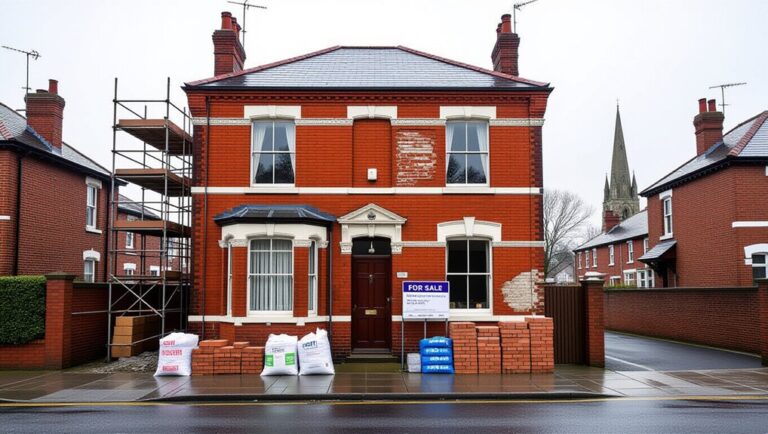
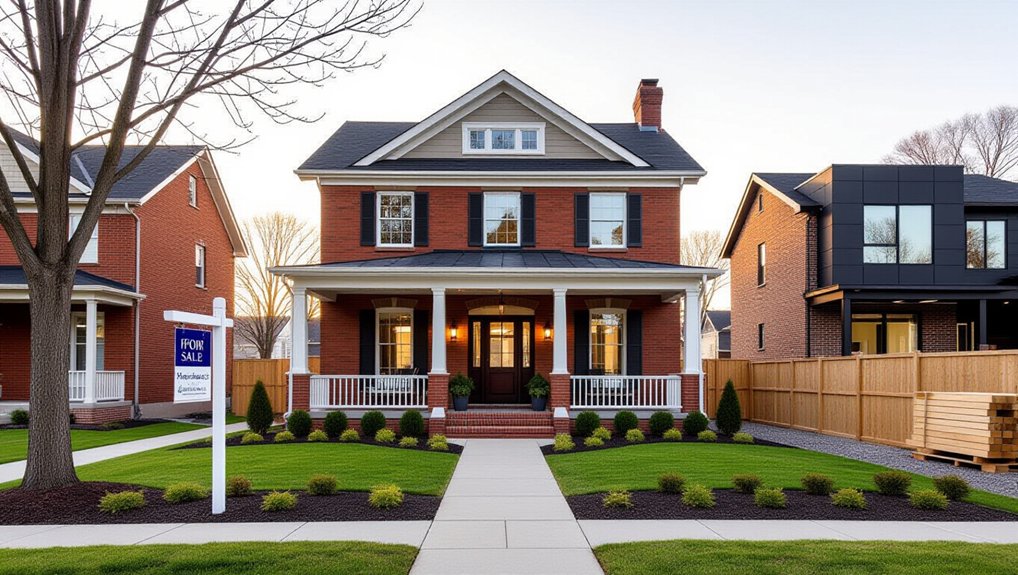
Sell fast near any new builds by pricing just below the closest resale and the builder’s net price after incentives. Identify 2–3 competing communities, tour their models, and market your home against their timelines, fees, and upgrade costs. Counter incentives with a targeted closing-cost credit, rate buydown, or flexible possession—then add deadlines. Showcase what they can’t: finished yard, window coverings, mature trees, and utility/HOA cost snapshots. Stage and photo it like a model, and you’ll see the full playbook next.
Key Takeaways
- Identify the 2–3 most comparable new-build communities and market your home directly against their pricing, incentives, timelines, and HOA terms.
- Price just below the nearest resale and the builder’s net price after incentives to win buyers seeking immediate value.
- Offer targeted incentives like closing-cost credits, rate buydowns, or flexible possession to match builder deals without overcutting your price.
- Showcase resale advantages: mature landscaping, finished yard, window coverings, established neighborhood, and documented utilities, warranties, and maintenance history.
- Launch a 7-day blitz with professional photos, video/3D tour, geo-targeted ads, and rapid feedback-driven adjustments to sustain urgency.
How Buyers Compare Resales vs New Construction
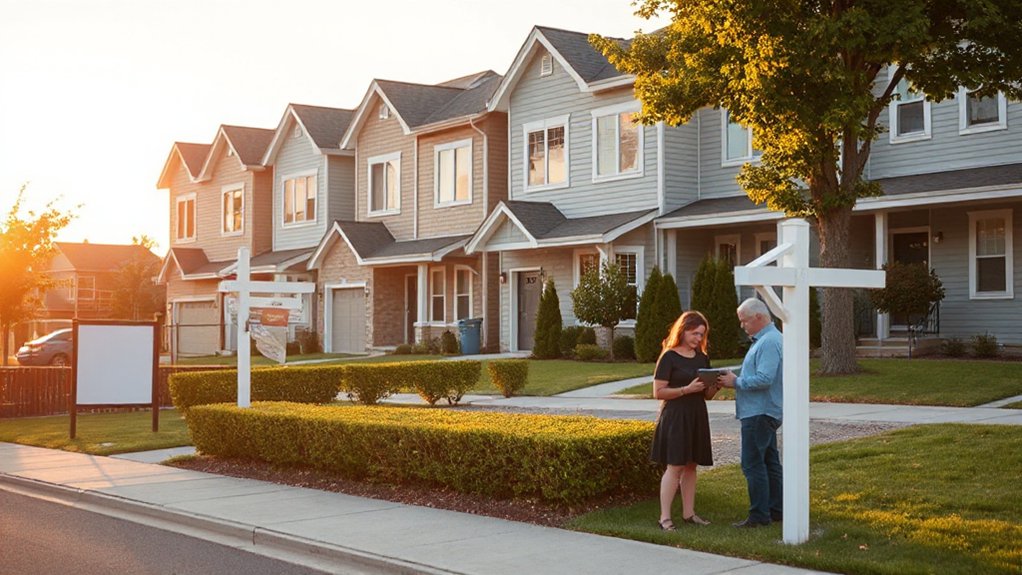
Why do some buyers jump on a resale while others hold out for new construction? You’re up against clear Buyer preferences: some want move-in-ready finishes, warranties, and lower maintenance; others want mature landscaping, established neighbors, and a home with character. Buyers also compare timelines—new builds can mean waiting, change orders, and construction noise, while a resale can close fast and feel certain. They’ll weigh total cost, not just price: upgrades, blinds, fencing, appliances, and HOA fees can shift the math. You can win by translating your home’s advantages into buyer terms: document recent improvements, highlight utility savings, and show what’s already included. Most important, prove resale value with neighborhood comps and a clean inspection story to reduce perceived risk.
Pick the Right New Builds to Compete Against
Buyers won’t compare your resale to “new construction” in general—they’ll compare it to a short list of specific communities, builders, and floor plans. Your job is to choose that shortlist before they do, then position your home against it.
Start by touring the nearest model homes and documenting what’s actually competing: lot size, finishes, timelines, HOA rules, and which Luxury amenities are included versus optional upgrades. Pull flyers, take notes on incentives, and track which floor plans match your bedroom count and layout.
Next, map the buyer’s route: schools, commute, parks, and shopping that drive neighborhood appeal. Focus on the two or three developments most similar in price band, style, and location, then tailor your marketing and showings to win those comparisons.
Price to Sell Fast vs New Construction Deals
Even if your home shows beautifully, it won’t sell fast if your price ignores the builder down the road offering rate buydowns, closing-cost credits, and move-in packages. You need a Pricing strategy that makes buyers feel they’re getting comparable value without second-guessing. Start with a Market analysis of recent resales and current builder pricing, then calculate the “effective price” of new builds after their published incentives. Price your home to win the first showing and the first offer: aim to land just below the nearest competitive resale and clearly under the net new-build number. If you’re even, buyers default to “new.” Leave no room for negotiation by overpricing; you’re competing on speed, certainty, and perceived savings today.
Counter Builder Incentives Without Cutting Price
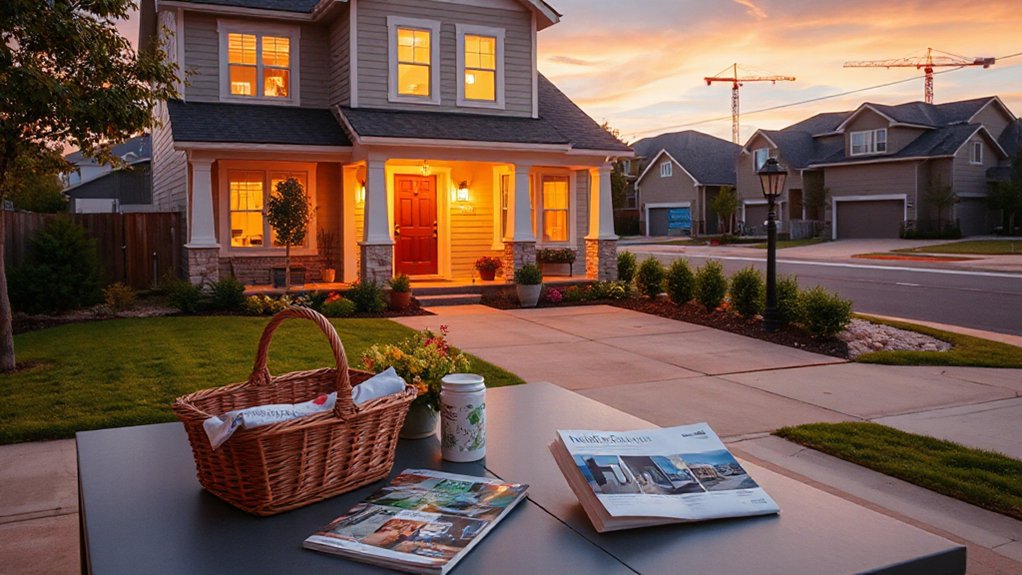
While builders dangle rate buydowns and closing-cost credits, you can match the perceived value without dropping your asking price by reshaping the deal. Offer a seller-paid temporary rate buydown or targeted closing-cost contribution capped at a set amount, and advertise the net monthly payment buyers care about. Add a flexible possession date, a home warranty, or paid HOA dues for a year to reduce perceived risk and friction. Pre-inspect, fix issues, and share receipts so buyers compare you to shaky Builder reputation and feel confident writing strong terms. If your location wins on local amenities, quantify it in dollars and minutes: commute time, school access, parks, and retail. Then package everything in a clean incentive sheet your agent can deploy fast.
Highlight Perks New Builds Can’t Match
Because you’re competing with shiny model homes and builder marketing, you need to spotlight advantages they can’t replicate: a mature neighborhood with established trees, proven drainage, and quieter streets; a finished yard, fencing, and window coverings that aren’t “options”; real-world utility bills and HOA budgets; and a location that’s already built out with schools, parks, and retail. Package these as Unique neighborhood features in your listing: map walkable routes, show shade and privacy, and note commute times at rush hour. Use photos that prove livability—backyard entertaining, storage, and parking. Share a one-page “cost snapshot” with utilities, lawn care, and HOA line items to anchor value. Tie each perk to resale value factors buyers care about: predictability, convenience, and an already-settled community feel today.
Preempt Age Objections: Roof, HVAC, Inspections
If your home isn’t brand-new, buyers will scrutinize the roof, HVAC, and inspection history first—so get ahead of those questions before they turn into price cuts. Pull permits, warranties, and service records now, and create a one-page “home care” packet to share at showings and inspections. Schedule a pre-list inspection so you control the timeline, then fix only safety or functional issues and document receipts.
For Roof maintenance, get a certified roofer to provide an age estimate, remaining-life letter, and photos of any repairs, flashing, and vents. For HVAC upgrades, have a licensed tech run a tune-up, confirm SEER/AFUE ratings, and provide efficiency and maintenance logs. Price confidently when you can prove condition and reduce buyer risk on day one.
Fast Upgrades That Help Your Home Sell Quicker
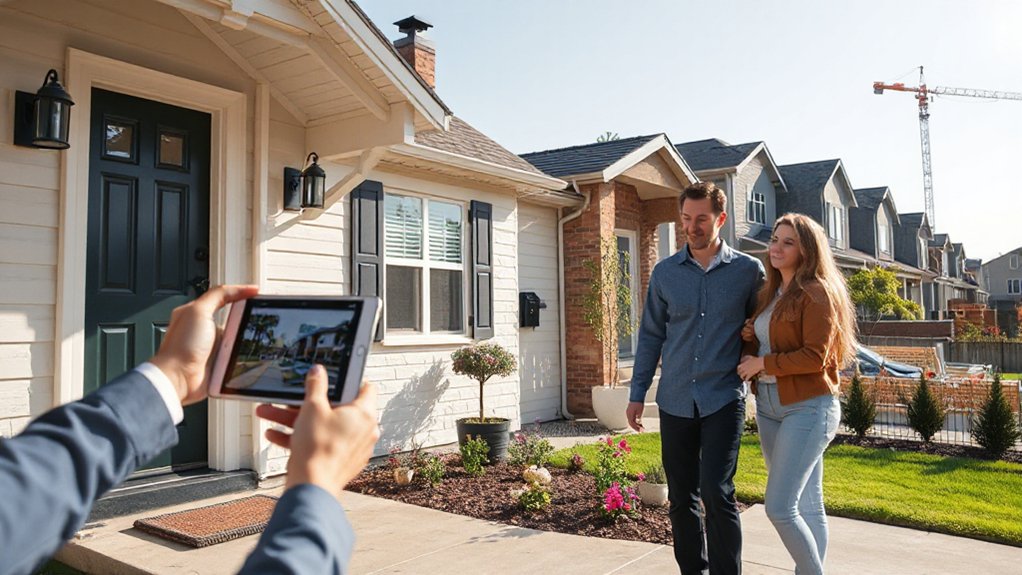
You can speed up your sale by making a few high-impact upgrades buyers notice immediately. Start with fast curb-appeal wins, then refresh key rooms with clean paint and modern lighting. If you want the biggest payoff, focus next on quick kitchen and bath updates that make your home feel move-in ready.
Boost Curb Appeal Fast
Five minutes at the curb can decide whether a buyer schedules a showing or keeps scrolling. You need curb appeal that competes with nearby new builds, so focus on quick, high-impact exterior wins. Start with Landscaping enhancements: edge the lawn, pull weeds, and add fresh mulch for crisp contrast. Replace dead plants with a few hardy, flowering pots near the entry to signal care without major spend. Power-wash the walkway, driveway, and front steps to remove stains buyers read as neglect. Clean windows and screens so the façade looks sharper in listing photos. Update the house numbers and mailbox for a modern, cohesive look. Finally, declutter the porch—one tidy mat and a simple bench sells space fast.
Refresh Paint And Lighting
Strong curb appeal gets buyers to click, but fresh paint and better lighting get them to book the showing—and pay more when they walk in. Start with a paint refresh in warm, modern neutrals: entry, main living areas, hallways, and any scuffed doors or trim. Patch nail pops, caulk gaps, and finish with consistent sheen so your home reads “move-in ready” next to new builds. Then prioritize a lighting upgrade: swap dated fixtures for simple, contemporary styles, install bright LEDs (3000K), and add matching bulbs throughout for a clean, even glow. Increase watt-equivalent in darker corners, and layer light with floor lamps where wiring’s limited. Clean windows and shades to maximize daylight and make rooms feel larger.
Upgrade Kitchen And Bath
Because buyers judge value fastest in the kitchen and bathrooms, a few quick upgrades here can shorten days on market and protect your list price. Skip a full Kitchen renovation and focus on visible wins: swap dated hardware, install a modern faucet, reface or paint cabinets, and add a clean, budget backsplash. Upgrade lighting to warm LEDs and make counters look spacious by clearing clutter and staging with one or two premium accessories.
For a Bathroom upgrade, replace worn caulk, update mirrors and vanity lights, and install a new showerhead and crisp, white curtain or glass door. If grout looks tired, re-grout or use a grout pen. Finish with fresh towels, a neutral bath mat, and spotless surfaces to compete with new-build shine.
Stage and Photograph Like a Model Home
Even if your home is priced right, buyers won’t book a showing if the photos don’t stop their scroll. Competing with shiny new builds means you must present a “model home” experience online first, then in person. Start with Home staging: declutter hard, depersonalize, and define every space with a clear purpose. Float furniture to open sightlines, add layered lighting, and use crisp, neutral linens to read new and clean.
Next, dial in Photography techniques. Shoot in daylight, turn on all lights, and straighten every vertical line. Capture wide angles from chest height, but avoid distortion. Style countertops with one or two premium accents, hide cords, and close toilet lids. Finish with a consistent editing style that keeps colors accurate and rooms bright.
Launch a 7-Day Marketing Blitz for Your Listing
Once your listing looks like a model home, you need to create urgency fast with a tight 7-day marketing blitz that pushes maximum exposure into a short window. Day 1: go live midweek for smarter Market timing and fresh-buyer alerts. Days 1–2: launch pro video, 3D tour, and a “new-build alternative” headline across MLS, portals, and social. Days 3–4: run geo-targeted ads around the subdivision, plus email blasts to agents and lenders. Day 5: host a twilight open house with a lender on-site to outline Financing options and payment scenarios. Days 6–7: schedule private showings back-to-back, collect feedback daily, and adjust copy, photos, or showing instructions immediately to keep momentum.
Respond When Builders Undercut You in Negotiations
Your 7-day blitz creates the attention you need, but builders can still try to steal it at the negotiating table with rate buydowns, upgrade credits, or “limited-time” price drops. Don’t chase their headline price; neutralize it. Ask buyers what incentive matters most, then counter with targeted value: closing-cost credit, pre-inspection repairs, a home warranty, flexible possession, or including key upgrades you already have. Use sharp Negotiation tactics: set an expiration on your counter, request proof of competing offers, and anchor to net proceeds, not list price. Highlight certainty—no build delays, established neighborhood, mature landscaping. If builder incentives beat yours, pivot: adjust price once, then re-market hard with fresh photos and “best value vs. new” messaging.
Frequently Asked Questions
How Do I Handle Buyers Asking for a Home Sale Contingency?
You handle home sale contingencies by requiring a tight timeline, earnest money, and proof of listing. Use home staging to boost demand and a pricing strategy to attract backup offers, keeping your leverage strong throughout.
Should I Offer a Rent-Back to Attract Buyers From New Builds?
Yes, you should offer a rent-back to widen your buyer pool and improve terms. Use clear rent back agreements, set daily rent and end date, require deposits, and pair with buyer incentives if needed.
Is It Worth Pre-Listing on a Coming-Soon Status Before Going Live?
Yes—it’s worth it when you need buzz, not stagnation. Like a dimmer before spotlight, you’ll build urgency and leads. Use pre listing advantages to test pricing, then nail market timing for launch-day competition.
How Do HOA Rules or Fees Affect Buyers Comparing to New Construction?
HOA fees shape buyers’ monthly costs, and HOA restrictions can limit pets, rentals, or exterior changes, so new builds may feel freer. You’ll win comparisons by disclosing upfront, itemizing amenities, and justifying value.
What Are the Tax Implications of Selling Quickly Versus Waiting?
Selling quickly can trigger higher Capital gains if you haven’t met holding or primary-residence rules; waiting may qualify for exclusions or lower rates. Use Tax strategies: time closing, harvest losses, track basis, consult a CPA.
Conclusion
When new builds loom like Goliath, you can still win the buyer’s heart. Price with precision, then outshine builder perks with smart credits, clean upgrades, and a model-home presentation. Launch a 7-day blitz, respond fast to every showing, and negotiate like you’ve got a playbook—because you do. Lead with what new construction can’t copy: mature landscaping, established neighbors, and move-in-now certainty. Execute daily, and you’ll sell fast—even in their shadow.
About the Author